This deal elicited both positive and negative reactions from a large number of people.
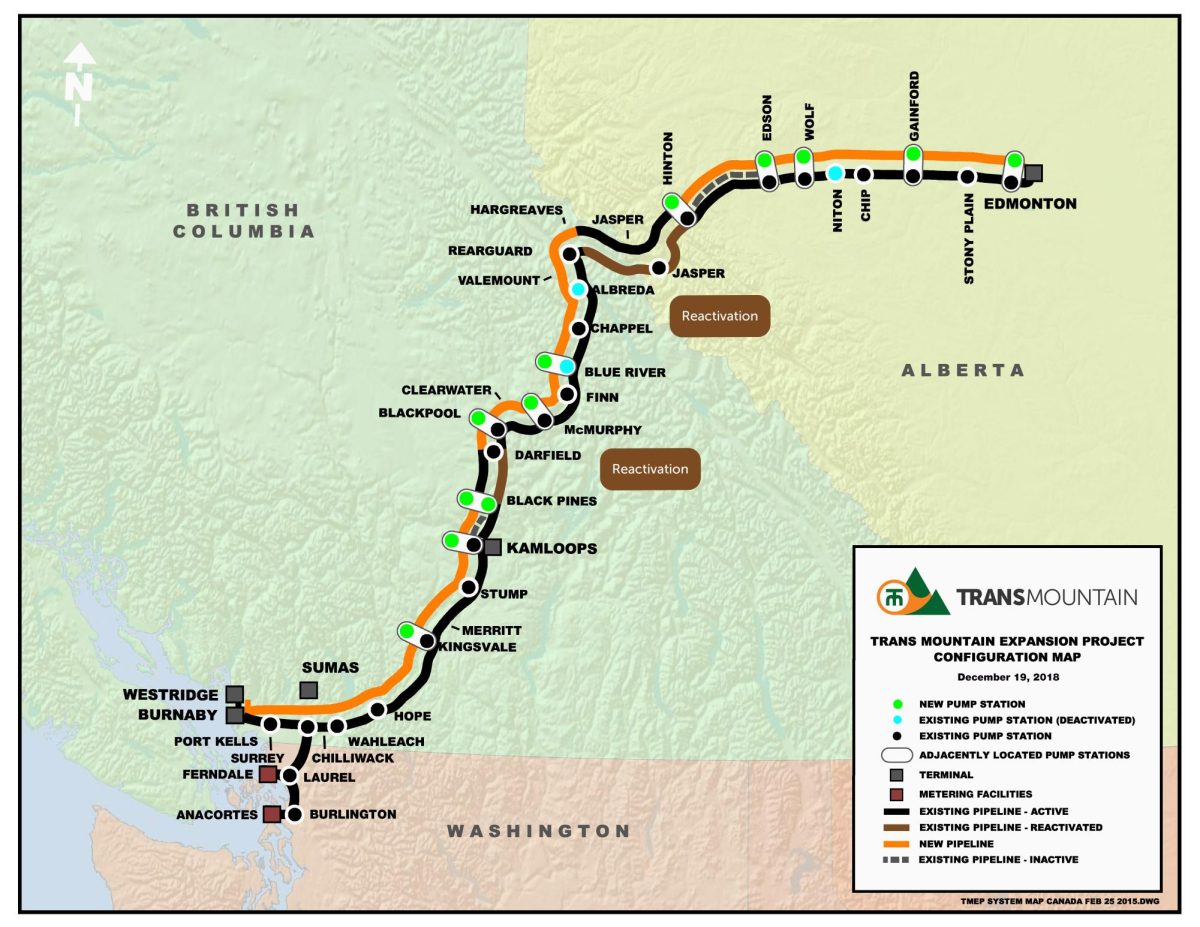
Alberta and Ottawa agreed to work together to advance a new project that could send Alberta’s oil to a Pacific Coast export terminal to reach Asian markets, not just the American market. This action should really help reduce dependence on the United States, since most of Canada’s oil currently goes to the United States. But a pipeline to the West Coast would let Canada sell more to oriental markets, which often pay more.
While some people claim the project is crucial for economic growth and energy security, Steven Guilbeault resigned as a minister because, for him, this deal was the last straw. M. Guilbeault disagreed with the prime minister on how to approach the fight against climate change; he is now serving as a Liberal Member of Parliament, having previously served as Minister of Canadian Culture and Identity.
Danielle Smith and Mark Craney also signed a memorandum of understanding, which has been seen as a potential “calmer” of separatist sentiment, showing that negotiation can work. The memorandum says that Canada and Alberta remain committed to achieving net-zero greenhouse gas emissions by 2050. They are also committed to respecting Aboriginal and treaty rights, engaging in meaningful consultation in a form that nurtures reconciliation with indigenous people, and respecting their culture and rights.
Due to the war in Iran, the Bank of Canada forewarns that rising oil and gas prices from the conflict will escalate short-term inflation, adding unpredictability to a weak economy. If the Strait of Hormuz remains closed, prices are likely to rise substantially, and even one barrel of oil could drive prices above $100.