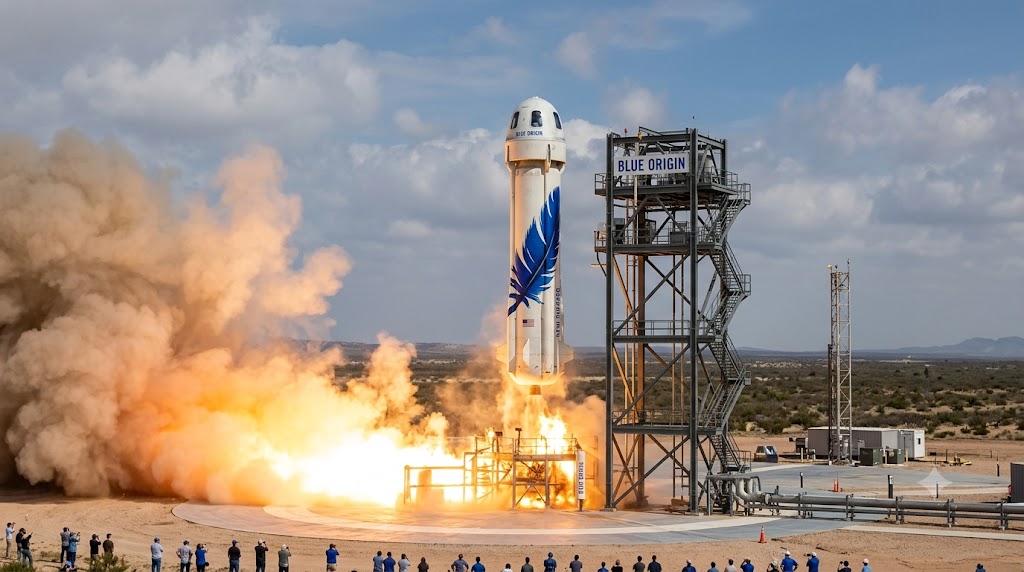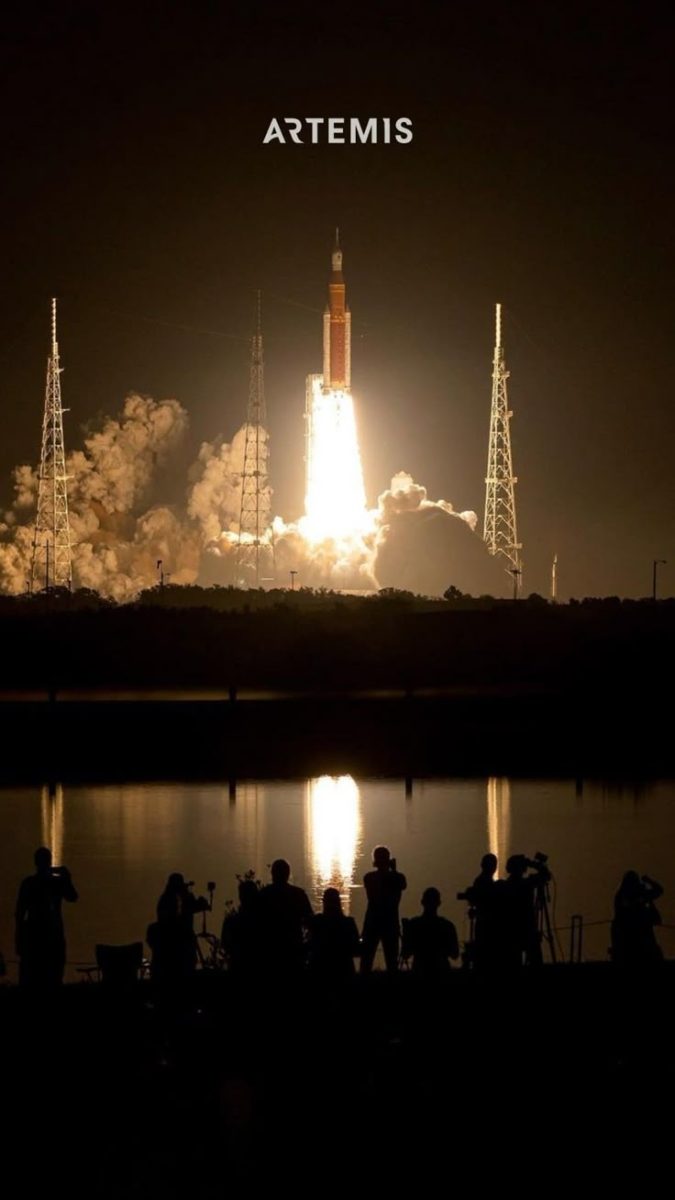
Headed by NASA as the first crewed mission of the Artemis lunar-exploration program, it will launch astronauts on a notable journey around the moon. Paving the way for an innovative era of human space exploration.
Following the Apollo program’s legacy, the Artemis II program plans to return humans to the moon and gear up for upcoming missions to Mars. This project is based on long-term expeditions and environmental responsibility. Artemis II is the first human crewed mission of the Artemis. It will deliver the space crew around the moon to conduct tests required for further moon descent missions and interstellar travel. The Artemis program is believed to extend up to ten days. Transporting the Orion spacecraft, it will depart aboard the Space Launch System.
The team of the NASA lunar program symbolizes a persuasive combination of expertise as well as multinational partnership. Managed by Commander Reid Wiseman, the unit features pilot Victor Glover, mission specialist Christina Koch, and Jeremy Kansen. Every astronaut brings large-scale expertise from previous space missions, engineering, or military aviation. The team can be easily distinguished by their significant amount of diversity and global representation, incorporating the first woman and also the first African man allocated to a lunar mission, as well as a Canadian astronaut. Pam Melroy: “The Artemis II crew is carrying the hopes of a new era of human exploration beyond Earth.”
The Artemis II mission will operate sophisticated technology to ship the astronauts around the moon. The Orion spacecraft transports the crew and supplies power, oxygen, and navigation during the mission. It will be deployed by the Space Launch System, which is NASA’s most powerful rocket. Artemis II also contains a relevant safety system, such as a launch abort system and a strong heat guard to protect the astronauts during the return to Earth. Bill Nelson: “Artemis II will be a critical test flight that proves we’re ready to send humans back toward the Moon safely.”
Artemis II lunar voyage encounters various risks and challenges. Technical challenges involve examination of the spaceship mechanism and assuring the orbital crew’s safety throughout the journey. The mission has also faced timeline and budget delays due to the density of advancing technology. Besides, the space travelers will confront the threats of deep space travel, like radiation exposure, isolation, and the risks of traveling beyond our planet, which humans have not encountered for generations.