An energy drink led to the death of a 17-year-old girl in October 2025. According to the coroner, the excessive caffeine in her body caused it. The mother sued the company because “There was no warning.” After this tragic incident, many social media users urged people to be more careful about their energy drink consumption.
Japan introduced energy drinks in 1962. Chaleo Yoovidhya created the first energy drink, Krating Daeng. The name Krating Daeng has been translated as “Red Bull,” which is now widely known.
Since the early 2000s, teenagers have been consuming more energy drinks, leading to a 500% increase in sales. Parents started getting worried about how much their kids were consuming this addictive drink. It’s important for teens to be more mindful of what they drink because they often overlook the ingredients.
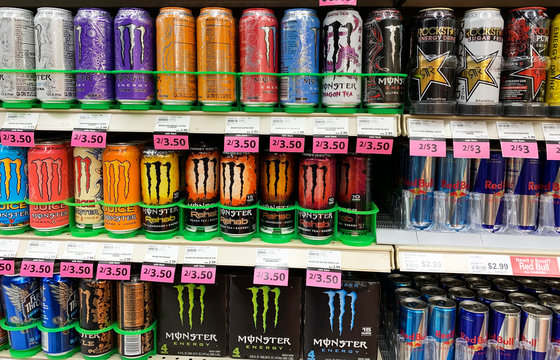
If we take the example of a Monster energy drink, here are some of the ingredients: 160 mg of caffeine, 2,000 mg of taurine,27 g of sugar (27,000 mg),180 mg of sodium=-0
An expert recommends 0 to 100 milligrams of caffeine a day; consuming more could be considered dangerous. Energy drinks have multiple effects on your body, such as insomnia, high blood pressure, anxiety, and severe dehydration. A higher consumption could result in worse outcomes, such as kidney injury, seizures, and, in rare cases, fatal cardiac arrest.
On the contrary, taurine is also a major component of energy drinks. Its impact somewhat offsets the caffeine effect, as the former provides a soothing influence, whereas caffeine boosts energy levels. High consumption of Taurine also has negative effects on your body, such as dizziness, headaches, and stomach issues.
The fact that the company won’t stop releasing new flavours of its drink isn’t helping, as it’s pushing teenagers to buy more and try them. Energy drinks block the receptors in your brain and increase the level of dopamine, which gives you an energy effect that the body craves. As you consume more of them, your brain will convince you that you require them more.