In the UK, politicians and child safety organizations are debating whether social media should be restricted for users younger than sixteen years old. “Ban supporters say that too much time online is linked to anxiety, depression, cyberbullying, and poor sleep among young people.” They argue that stricter rules are needed because social media companies have not done enough to protect children on their platforms. Authorities say all options are being considered under new online safety measures, but the UK government has not yet decided on a complete ban.
In France, the government has gone a step further. Lawmakers have approved plans to ban children under the age of fifteen from using social media. “President Emmanuel Macron has strongly supported the move, saying it is necessary to protect children from harmful content, online pressure, and addictive app designs.” Under the proposal, social media companies would be required to check users’ ages more carefully. Schools would also face stricter rules on mobile phone use. Critics, however, say it may be hard to apply and could limit young people’s freedom.
These discussions are part of a wider global debate about how much access children should have to social media. Many parents support tighter rules, while some young people argue that social media is an important way to stay connected with friends and express themselves.
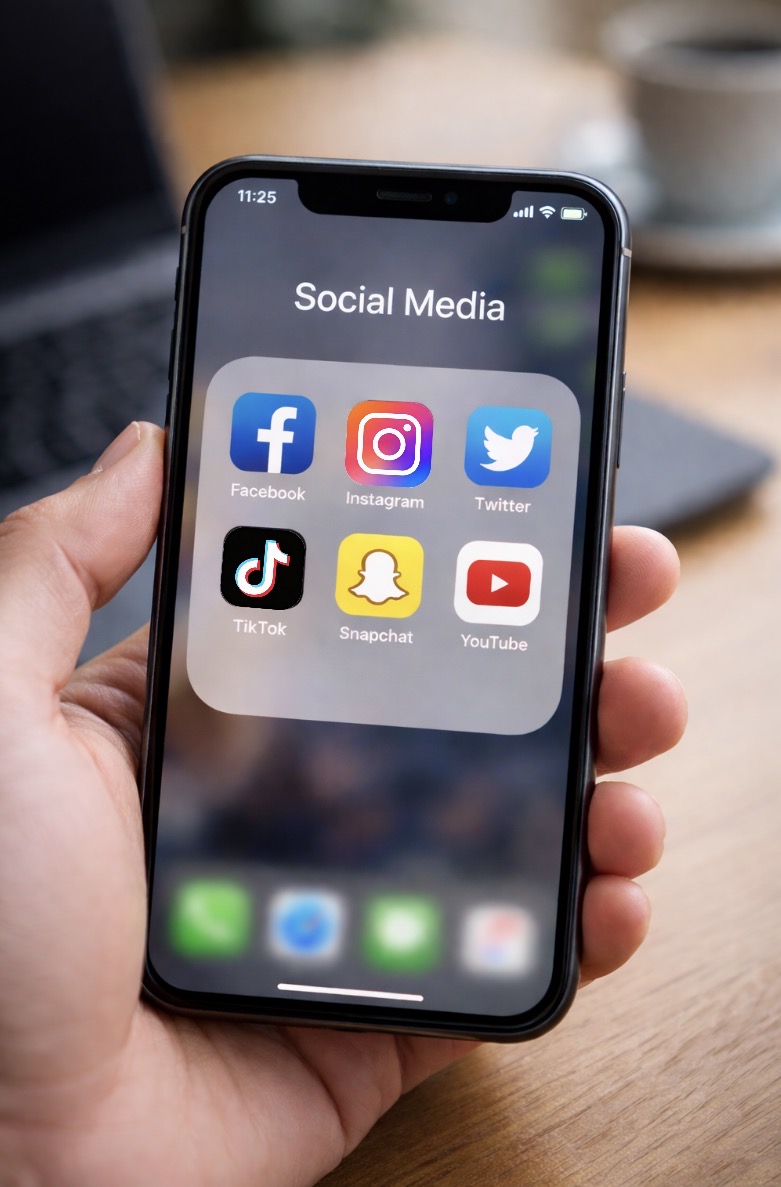
Australia is already being watched closely because it has introduced one of the world’s strictest laws in this area. Since late 2025, children under the age of sixteen have not been allowed to have social media accounts on major platforms such as Instagram, TikTok, Snapchat, X, Threads, YouTube, Reddit, and streaming platforms such as Twitch and Kick. Companies that fail to stop underage users can face very large penalties.
If Australia decides to strengthen or expand this ban in the future, experts say several things could happen. Some families may see benefits, such as children spending more time offline and facing less online bullying. At the same time, it is hard to make sure the rules are followed, because some teenagers find ways to get around them. There are also concerns that young people could move to less-regulated online spaces as an alternative.
As countries like the UK and France continue their debates, Australia’s experience is likely to play a key role in shaping future decisions.