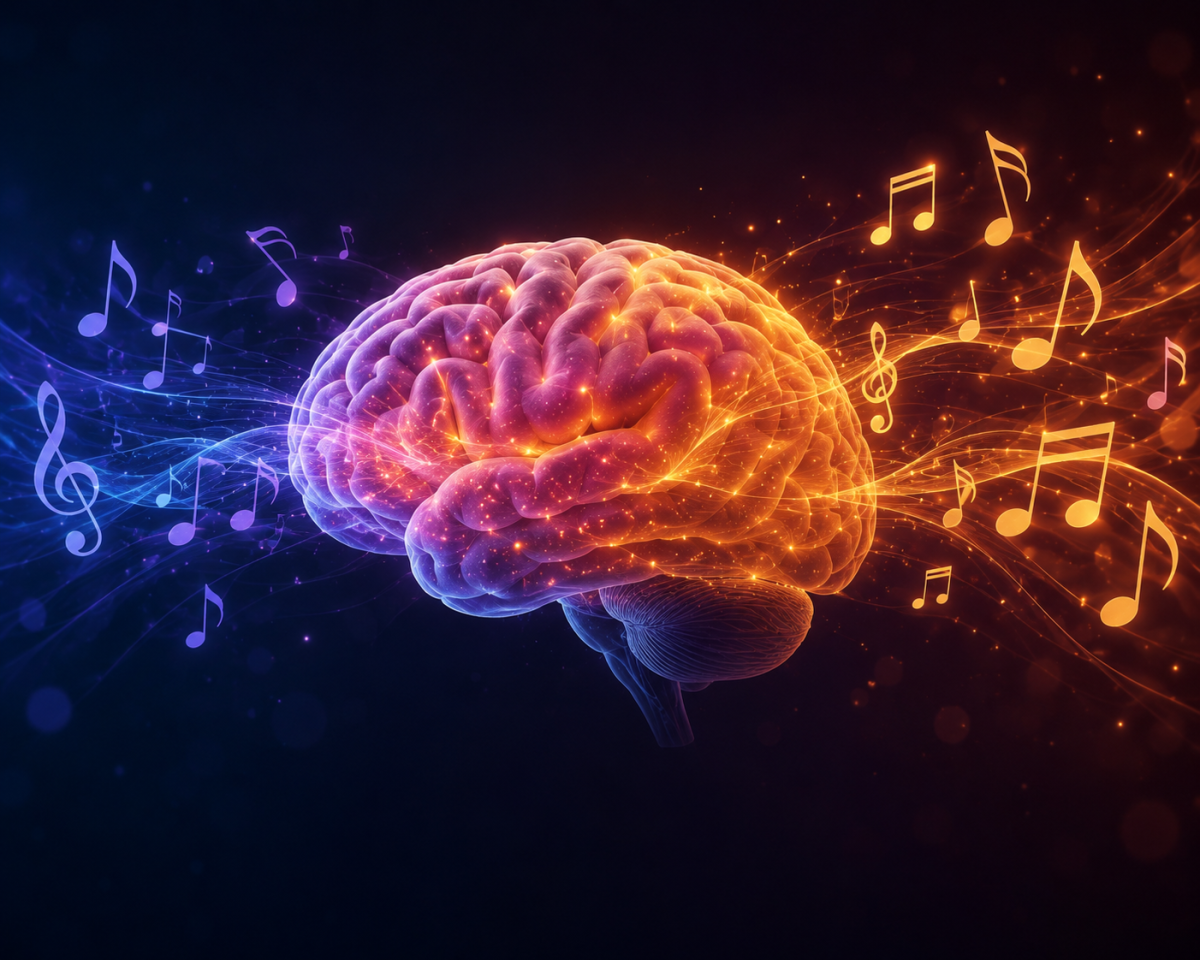
Music affects the mood and emotions of people, depending on the type and how that person already feels. It can have positive effects as well as negative effects.
After listening to music, some people will feel more relieved and calm since it can help them forget about stressful events, give them motivation, and make them feel pleased.
It can help the mood and health of a pregnant woman and might even distract her from the pain for some time. Tunes can develop the emotions and distract from mental conditions, like depression, anxiety, and schizophrenia, as well. When listening to it, stress and anxiety can decrease, bringing a sense of belonging and helping develop socialist values.
Although music helps to reduce depression, some can fall into a deeper episode when already not feeling too well, if that person relates to a sad or depressing song, since it echoes the thoughts of the listener.
People usually choose their songs depending on how they feel or how they want to feel. For example, if you want to feel happy or frantic, a very high-tempo song can be perfect, and it is also useful a lot if you want to feel energetic or enthusiastic.
On the contrary, being anxious, sad, depressed, or feeling content, listening to a low rhythmic tune might keep you feeling that way, and choosing a very low rhythmic tune when feeling calm helps to stay peaceful.
“I choose my music depending on how I feel, so for example, if I feel happy, I will listen to an upbeat song, and if I am sad, I will choose a depressing song,” mentioned Charlee-rose.
Music also has psychological outcomes; for instance, a sad song will make one feel as if someone is with them rather than feeling lonely, and a sad or nostalgic one will be chosen more by low-emotion and depressed people.
As an alternative, melodies can help bring down emotions and be seen as something to pull them out of a “deep hole,” while changing their mindset.
On the other hand, a catchy and upbeat song can boost the energy of someone, lower their stress, and enhance their mood, since it plays with the nervous system of the body.
“I listen to music to feel calm, to reflect more on myself, and to be in my own world,” said Sarah-Maude.
The reason music can have these different effects on someone’s emotions is that it engages multiple parts of the brain, including areas that govern how you think, how your emotions respond, and how information is captured and sent through your body’s senses.
It can create pleasure paths in the brain that send blood through the body, which can release dopamine, also known as the chemical that makes you feel good. Also, it can help bring down mental health symptoms since it brings an environment to feel better.