A lot of teachers resigned; however, a resignation does not necessarily mean that a teacher has left teaching, since they could have submitted their resignation to work in another school service centre, but in just one year, more than 1300 quit their jobs in the public school.
Most of the reasons are still unknown, but many people think it is the students’ fault.
“We’re heading for disaster,” says Richard Bergevin, president of the Federation of Teachers’ Unions.
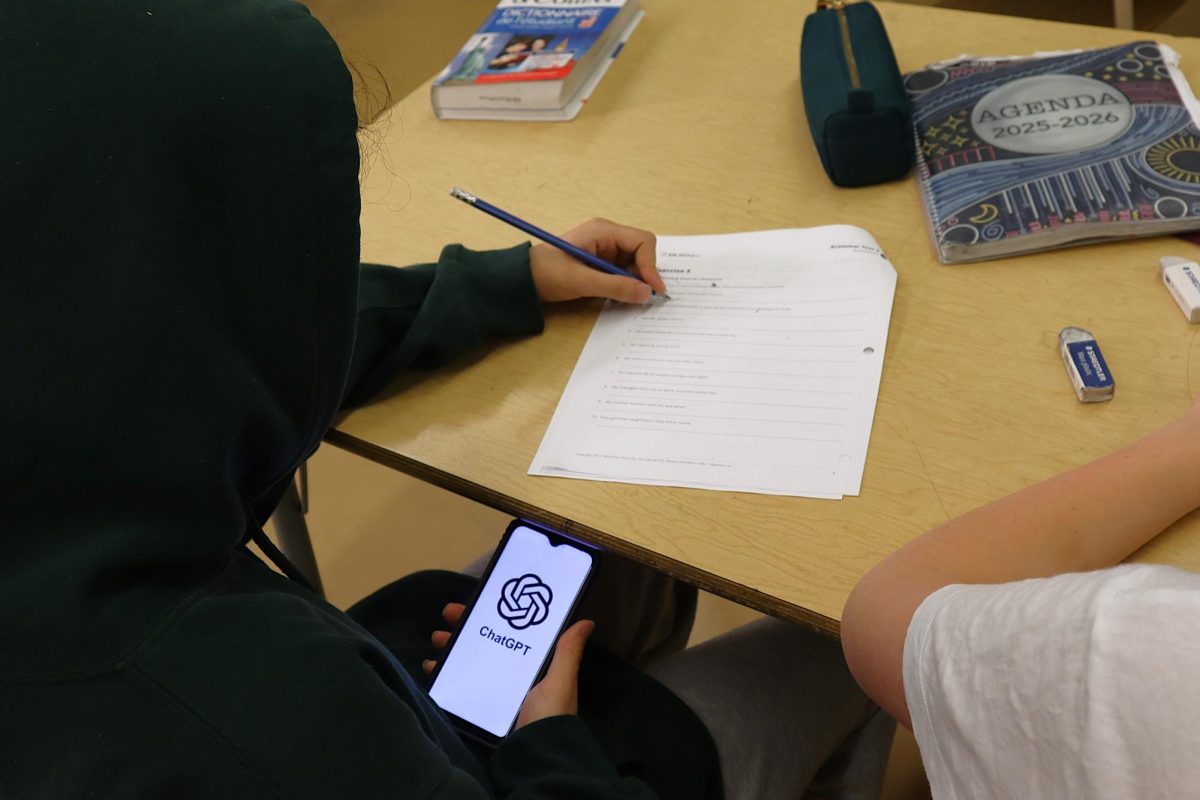
The Minister of Education put more rules to respect the teachers, like vouching and forbidding cellphones in school. Even with that, many educators said that their students are disrespectful and don’t listen to them. They complain a lot about it, but the situation doesn’t change.
It’s more difficult for new educators because they need time to adapt, but students don’t help. Some of them possibly regret choosing this career. So their only option left is to quit teaching.
Their departure sometimes happens quickly, following an event that will “make the cup overflow,” often associated with violence. “We’ve seen it several times,” says Mr. Bergevin.
Quebec could assign a registration number to each teacher upon obtaining their teaching certificate, allowing their career path within the school system to be tracked. “We’re going to the moon; we should be able to do that,” he remarked angrily.
The situation has reached a turning point. As more educators leave, the warning signs become impossible to ignore. Without significant changes, today’s classroom challenges could become tomorrow’s educational crisis.
That’s why the Minister of Education is now exploring new measures aimed at restoring stability and respect in schools. Whether these efforts will be enough remains uncertain, but one thing is clear: the future of public education depends on solutions that truly support teachers before even more decide they’ve had enough.